How to Choose the Right Video Editing Course in 2026
There are thousands of video editing courses, from free YouTube playlists to ₹1 lakh diplomas. Some genuinely launch careers; many just teach you where the buttons are. This guide helps you work out which type of course fits your goal, what it should cover, and how to spot the ones worth paying for.
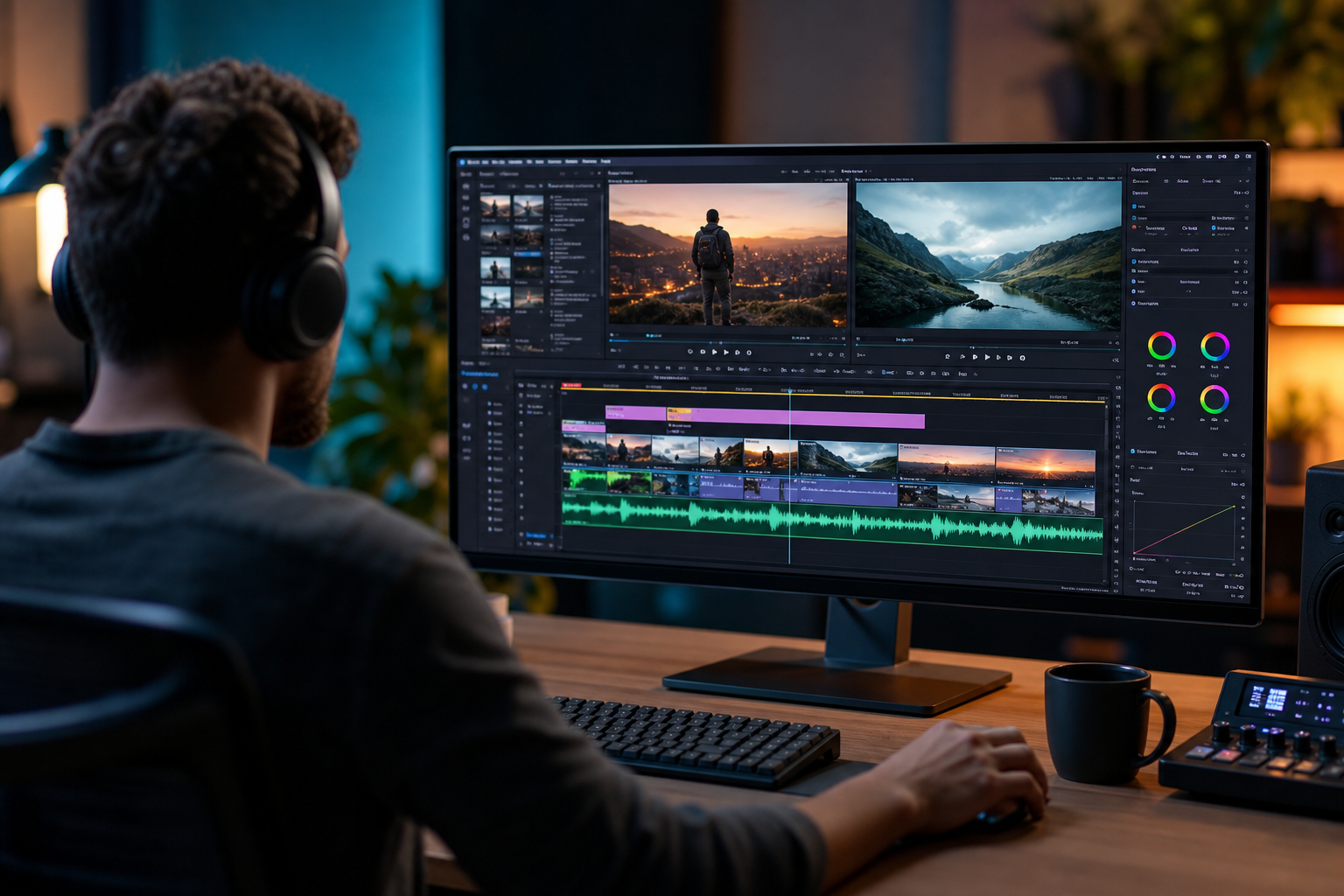
Do You Actually Need a Video Editing Course?
Not always. Plenty of excellent editors are self-taught. A course is worth it when it gives you something you can't easily get alone:
- Structure: a logical order instead of random tutorials.
- Feedback: a mentor who critiques your edits, which is the fastest way to improve.
- Accountability: deadlines that make you finish projects.
- Portfolio projects: real briefs you can show clients.
- Network and placement: introductions to studios, agencies or creators.
If you're disciplined and mainly want skills, our free self-study roadmap on how to learn video editing may be all you need. Total beginners should also read video editing for beginners before choosing anything, so they understand the terms courses will use.
Types of Video Editing Courses Compared
| Course type | Typical cost (India) | Best for | Main drawback |
|---|---|---|---|
| Free tutorials (YouTube, vendor training) | Free | Self-motivated learners, specific skills | No structure or feedback |
| Self-paced online courses (Udemy, Skillshare, Coursera, Domestika) | A few hundred to a few thousand rupees | Learning one software in depth | Low completion rates, little feedback |
| Live online cohort / bootcamp | Roughly ₹15,000 to ₹60,000 | Career switchers wanting mentorship | Quality varies a lot by instructor |
| Offline institute course | Roughly ₹30,000 to ₹1.5 lakh+ | Hands-on learners, lab access, local networking | Fixed schedule, sometimes outdated syllabus |
| Diploma / degree in film or media | Varies widely; often several lakh | Film, TV and OTT careers | Time and cost; less focused on creator content |
| Software certification (Blackmagic, Adobe) | Training often free; exams may be paid | Proving software proficiency | Tests tools, not storytelling |
Fee ranges are indicative and vary by city, provider and course length. Always confirm current fees directly.
Blackmagic Design publishes free official DaVinci Resolve training books and practice media, and offers certification. Paired with the free version of Resolve, that's a complete professional-grade curriculum at no cost.
What a Good Video Editing Course Should Cover
Use this as a checklist when reading any course syllabus. A strong course covers both craft (storytelling, pacing) and technical skills:
| Module | What you should learn |
|---|---|
| Editing fundamentals | Timeline, cuts, trims, ripple editing, keyboard shortcuts |
| Storytelling and pacing | Structure, hooks, rhythm, what to cut and why |
| Core techniques | Jump cuts, J-cuts, L-cuts, match cuts, B-roll, speed ramps |
| Audio | Noise reduction, EQ, compression, loudness standards, music editing |
| Color | Correction vs. grading, scopes, LUTs, matching shots |
| Graphics and captions | Titles, lower thirds, animated captions, basic motion graphics |
| Platform-specific editing | YouTube long-form, Shorts, Reels, podcasts, ads |
| Workflow and media management | Folder structure, proxies, backups, versioning, client review |
| AI-assisted editing | Transcription, text-based editing, auto-reframe, silence removal |
| Portfolio and business | Showreel, pricing, client communication, finding work |
If the syllabus is only "Premiere Pro tools" with no storytelling, audio or workflow, keep looking. You can preview much of this material in our guides on how to edit videos and the video editing workflow professionals use.
Which Course Should You Choose? Match It to Your Goal
| Your goal | Recommended route | Software focus |
|---|---|---|
| Edit my own Reels and Shorts | Free tutorials + practice | A mobile app or a simple desktop editor |
| Grow my YouTube channel | Self-paced course on YouTube editing | DaVinci Resolve or Premiere Pro |
| Become a freelance editor | Live cohort with portfolio projects and feedback | Premiere Pro or Resolve + After Effects basics |
| Work in film, TV or OTT | Diploma or offline institute + assisting on real projects | Avid Media Composer, Premiere Pro, Resolve |
| Motion graphics for ads | Specialist After Effects course | After Effects |
Thinking of editing as a career? Read our guide on how to become a video editor and our explainer on what a video editor does before you spend money, so you know which skills employers actually want.
Need edited videos now, not after a 3-month course?Our editors can start on your footage this week.
Claim Your Free 60-Sec Edit10 Questions to Ask Before You Enroll
- Who is the instructor, and what have they edited professionally?
- Can I see work made by past students?
- How many projects will I complete, and will they be reviewed individually?
- Is the syllabus updated for current tools and AI features?
- Does it cover audio, color and workflow, not just cutting?
- How much live interaction or mentorship is included?
- Do I keep access to recordings and materials afterwards?
- What software and hardware do I need? (Check your device first.)
- What does "placement support" actually mean, in specifics?
- Is there a refund policy or free trial class?
Red Flags to Watch For
- Guaranteed jobs or income claims. No legitimate course can guarantee either.
- No student work on display. If graduates were good, the course would show them off.
- Heavy focus on effects packs and presets. Templates don't teach editing.
- Pressure tactics. "Only 2 seats left at this price" countdowns that reset every day.
- Pirated software requirements. Good courses teach with free or legitimately licensed tools.
Get Your Setup Ready Before Day One
Many students lose their first week to software crashes. Before your course starts:
- Confirm your computer meets the course software's requirements. Our guide to editing videos on a laptop explains the specs that matter.
- Install the free software the course uses. Most beginner courses work with the options in our guide to editing videos on PC for free.
- If you only have a phone for now, look for mobile-friendly courses and start with our guide on how to edit videos on your phone.
- Gather footage of your own so you can practice on real material, not just course files.
After the Course: Turning Lessons Into Skill
A course only gives you the map. Skill comes from finished projects. Aim to edit one new video per week for six months after your course ends, and get feedback from editors more experienced than you.
And if you realize you'd rather spend your time creating than editing, that's a valid outcome too. Many creators and brands partner with a video editing company in Bangalore like EditAtEase, using what they learned to brief editors clearly and judge quality, while the editing itself is handled for them.
Frequently Asked Questions
Which is the best video editing course for beginners?
For most beginners, a structured self-paced course on DaVinci Resolve or Premiere Pro, combined with weekly practice projects, is the best value. If you want mentorship and feedback, a live online cohort with portfolio reviews is worth the higher fee.
How much does a video editing course cost in India?
Free resources cost nothing, self-paced online courses usually cost a few hundred to a few thousand rupees, live online cohorts roughly ₹15,000 to ₹60,000, and offline institute courses roughly ₹30,000 to ₹1.5 lakh or more. Fees vary by provider and city.
Is a video editing certificate useful?
A certificate helps for some corporate and institute jobs, and official certifications from Blackmagic Design or Adobe prove software skills. For freelance and creator work, your portfolio matters much more than any certificate.
Can I learn video editing online for free?
Yes. Free official DaVinci Resolve training, YouTube tutorials and free software are enough to learn professional editing. What free resources lack is structure and feedback, so you'll need self-discipline and a community for critique.
How long is a typical video editing course?
Short software courses can take a few weekends, live cohorts usually run 2 to 4 months, and diplomas run 6 months to a year or more. Plan to keep practicing for several months after any course ends.
Stop Editing. Start Creating.
You record, we edit. EditAtEase turns your raw footage into scroll-stopping YouTube videos, Shorts, Reels and podcasts, so you post consistently and finally get your week back.